

Table of contents
- Freeze the market and product identity before designing the label
- Separate product identification from performance and approval claims
- Build hazard communication from the exact formulation and SDS
- Make the technical documents describe the same saleable SKU
- Approve the physical pack, not only the PDF artwork
- Use batch codes and revision control to protect traceability
- Calculate MOQ from the approved packaging configuration
- Send an artwork RFQ that can be approved once
- Frequently asked questions
- Sources
Freeze the market and product identity before designing the label
Label projects often begin too early. A buyer sends a logo and a competitor pack, then design work starts before the destination country, exact product and claim route are fixed. That sequence creates expensive revisions because language, responsible-party information, hazard communication, units, barcode conventions and permitted product claims can change with the market.
Begin with a one-page label brief for each SKU. Record the brand owner, importer or distributor, destination countries, sales channel, product code, formulation reference, SAE viscosity, performance category, pack size and intended languages. If one artwork will serve several countries, mark which fields are shared and which need a country-specific panel or over-label. Do not assume that English alone is sufficient.
| Field to freeze | Evidence to record | Buyer decision |
|---|---|---|
| Destination market | Country, channel and required languages | Choose one market version or a controlled multi-market layout |
| Product identity | Supplier code, formula reference and SAE grade | Prevent one label from being applied to another oil |
| Claim route | API, ILSAC, ACEA or OEM wording and evidence | Approve only supportable statements |
| Responsible parties | Brand owner, importer or supplier details as required | Assign the final compliance review |
| Pack configuration | Bottle, cap, seal, label, carton and net content | Design against the production pack |
Separate product identification from performance and approval claims
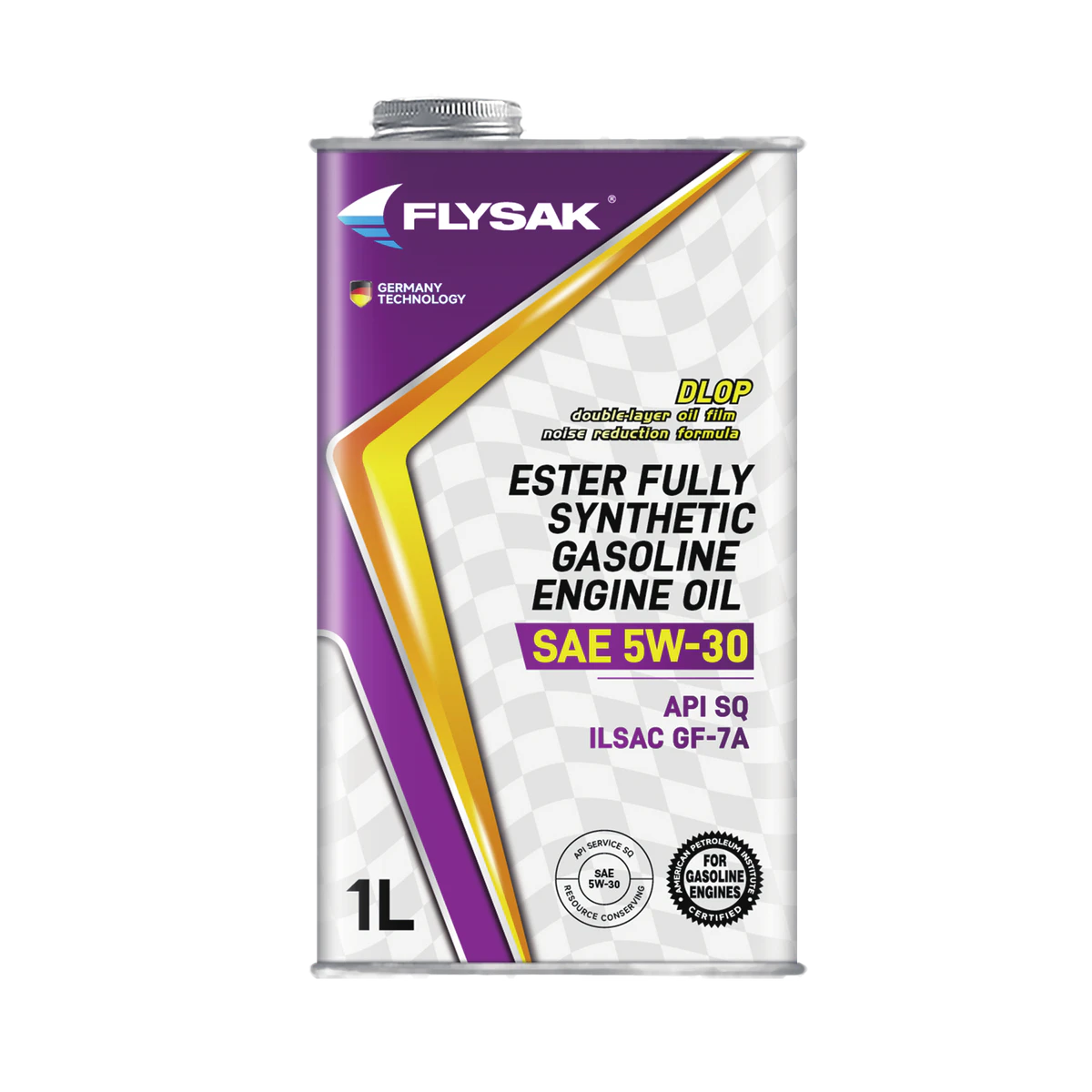
The front panel should help a buyer identify the product quickly, but a familiar phrase is not evidence. SAE 5W-30 describes a viscosity grade; it does not by itself establish an API, ILSAC, ACEA or vehicle-manufacturer performance claim. Keep the viscosity, performance category and any application wording as separate artwork fields tied to separate evidence.
API states that marketers must obtain an EOLCS licence before displaying the API Donut, Starburst or Shield or referring to an oil as API certified, licensed or approved. The licence record includes the brand, viscosity grade, service category and traceability code for packaged products. An importer should therefore verify the exact marketed brand and product in the current API directory rather than treating a supplier's corporate licence as permission for every private label.
| Proposed label element | Evidence to request | Approval boundary |
|---|---|---|
| SAE viscosity | Current product specification and test route | Do not present viscosity as a complete performance standard |
| API service category | Current TDS and claim basis | Keep the category tied to the exact product |
| API quality mark | Active EOLCS listing for the brand and product | Use only after licensing is confirmed |
| ACEA or OEM reference | Current sequence or OEM claim evidence | Distinguish performance reference from formal approval |
| Vehicle application | Dated manufacturer requirement or controlled matrix | Exclude unverified models and market variants |
- Review the FLYSAK passenger-car engine oil range — Shortlist products by viscosity and stated performance route before requesting current documents.
- Read the API licence verification guide — Use the official directory to verify the brand, product and quality mark before printing.
Build hazard communication from the exact formulation and SDS
Do not design the hazard panel from memory or copy it from another engine oil. Classification depends on the exact mixture and applicable jurisdiction. The current SDS should supply the product identifier, hazard classification, precautionary information and responsible-party data used in the market review. If the formula changes, the classification and artwork may need to return to approval.
For the United States workplace context, OSHA's Hazard Communication Standard specifies label elements for classified hazardous chemicals and a 16-section SDS structure. It requires the product identifier on the SDS to correspond with the label and sets duties for manufacturers, importers and distributors. Whether and how those duties apply to a particular packaged lubricant must be determined from its classification and intended use.
| Control point | What should match | Escalate when |
|---|---|---|
| Product identifier | Label, SDS, TDS and purchase order | Names or codes refer to different products |
| Hazard classification | Current formula assessment and SDS Section 2 | Artwork was copied from another mixture |
| Supplier or importer | Required market contact and emergency route | The responsible party is unclear or outside the required jurisdiction |
| Language | Destination-market label and SDS versions | Translation changes a regulated statement |
| Revision | SDS date, artwork revision and formula status | A new SDS or formula appears after sign-off |
Make the technical documents describe the same saleable SKU
The TDS, SDS and COA answer different questions. The TDS describes intended use, claims and representative properties. The SDS communicates classification and safe handling. The COA records agreed release information for a batch. None should carry a product name, viscosity or code that conflicts with the label and purchase order.
Create a document matrix with the controlled product code in the first column. Add the TDS revision, SDS revision and language, agreed sales specification, representative COA format, label revision, carton revision and barcode. During sample approval, verify that the sample code and batch information lead back to the same row.
Approve the physical pack, not only the PDF artwork
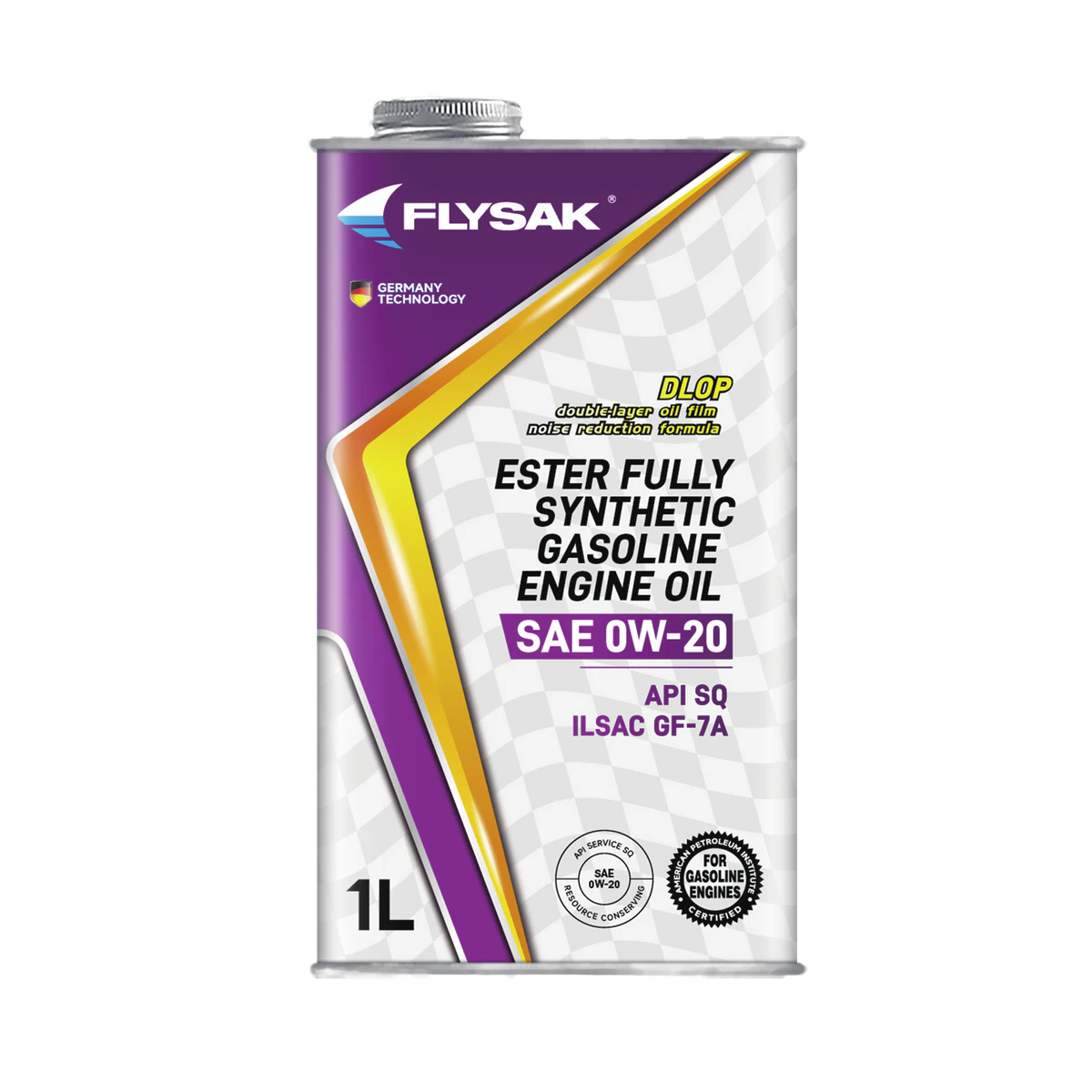
A correct PDF can still fail on the production bottle. Curves, ribs and recessed panels change how a label sits; small text can become difficult to read; a barcode can wrap around an edge; and hot, cold or oily handling may expose weaknesses in label stock and adhesive. Review dimensions against the actual container drawing, then approve a production-representative filled sample.
Check bottle resin and colour, net content, cap and tamper-evident feature, induction or liner seal, label material, print process, carton strength, divider or shrink configuration, and pallet identification. Confirm that mandatory and buyer-critical text remains legible after application. Photograph the approved front, back, cap, batch code and carton so receiving teams have a reference.
- Review the FLYSAK private-label workflow — Connect formula selection, samples, artwork, packaging and document approval in one project.
Use batch codes and revision control to protect traceability
The API licensing process asks for traceability codes on packaged products, and the same discipline benefits every private-label programme. The code should let authorised teams connect a saleable unit to the filling date or batch, product identity and supporting release record. It must be durable, readable and placed where a buyer can find it without opening the pack.
Agree the code format, location and legibility standard before production. Record which data are decoded internally and how long label masters, production records, COAs and retained samples are preserved. Receiving inspection should compare the bottle and carton codes with the shipping documents before stock is released.
Calculate MOQ from the approved packaging configuration
There is rarely one useful private label MOQ before the pack is defined. The finished order may be constrained by formulation batch size, bottle and cap availability, printed-label run, carton quantity, filling schedule or the economics of mixing several SKUs. A stock bottle with a pressure-sensitive label can have a different commercial structure from a custom-colour bottle or dedicated mould.
Ask the supplier to break the quotation into the exact formula, pack size, bottle, cap, seal, label, carton, number of artwork versions and proposed SKU mix. Separate one-time tooling or plate costs from repeat-order terms. Confirm what happens to excess printed components, who owns them, how they are stored and whether a later artwork change makes them obsolete.
| Cost or constraint | Question for the supplier | Importer decision |
|---|---|---|
| Formula and filling | What production quantity applies to this exact product? | Match the first order to realistic sell-through |
| Bottle and cap | Stock component, custom colour or dedicated tooling? | Balance differentiation against inventory exposure |
| Printed label | What run and excess allowance apply per artwork version? | Control slow-moving language or grade variants |
| Carton | Shared carton or SKU-specific print? | Reduce unnecessary packaging versions |
| Mixed order | Which grades and packs can share one shipment? | Plan container utilisation without assuming flexibility |
- Use the supplier-transition checklist — Protect artwork, product identity and packaging continuity when changing suppliers.
Send an artwork RFQ that can be approved once
A useful RFQ attaches the label brief, proposed SKU matrix and destination-market requirements. Ask the supplier to return the exact product code, current TDS and SDS, claim evidence, pack drawing, component specification, batch-code plan, production-representative sample route, change-control terms and a quotation tied to the defined configuration.
Use a cross-functional sign-off. Procurement confirms the commercial scope; technical staff confirm product identity and claims; the market compliance owner confirms required wording; brand staff confirm design; logistics staff confirm barcode, carton and traceability; and the supplier confirms manufacturability. One named person should release the final revision for production.
- Plan viscosities before creating label variants — Reduce unnecessary artwork and packaging SKUs by building the range from vehicle demand.
- Send your private label engine oil brief — Share markets, product requirements, pack sizes, languages and draft artwork for review.
Frequently asked questions
What must be confirmed before designing a private label engine oil label?
Confirm the destination market, exact product and supplier code, SAE viscosity, performance and approval claims, licensing status, hazard classification, responsible-party details, pack size, languages, barcode owner and batch-code position. The current TDS and SDS should be available before final artwork approval.
Can a private label use the supplier's API licence?
Do not assume so. API licenses specific marketers, brands and products to use its quality marks. Verify the exact private-label brand, product, viscosity and category in the current API EOLCS directory and confirm authorization before printing a Donut, Starburst or Shield.
Is SAE 5W-30 a complete engine oil specification?
No. SAE 5W-30 identifies a viscosity grade. The required API, ILSAC, ACEA or OEM performance route is a separate decision. The vehicle requirement and product evidence must support both viscosity and performance wording.
Can hazard text be copied from another engine oil label?
No. Classification and required label elements depend on the exact formulation and destination jurisdiction. Build the hazard panel from the current SDS and qualified market review, then reassess it when the formula or regulation changes.
Should the label product name match the SDS and TDS?
Yes. The marketed name and controlled supplier product code should connect the label, SDS, TDS, COA route, purchase order and sample. Where internal and private-label names differ, document the cross-reference clearly.
Why should importers approve a physical packaging sample?
A production-representative sample confirms label fit, readability, barcode scanning, cap and seal selection, batch-code placement and carton identification on the actual pack. A flat PDF cannot prove those physical details.
What is the MOQ for private label engine oil?
There is no responsible universal figure. The applicable quantity depends on the exact formulation, pack, bottle and cap, printed-label run, carton, artwork versions, filling plan and SKU mix. Request a written quotation for the approved configuration rather than copying another project's MOQ.
Sources
Technical and regulatory references reviewed for this article:
- API - EOLCS Application and Fees — Reviewed for the requirement to obtain a licence before using API engine-oil quality marks and for product, brand, viscosity and traceability information used in the licensing process.
- API - Engine Oil Licensing and Certification System — Reviewed for the scope of EOLCS, the API Donut, Starburst and Shield, directory verification and monitoring of licensed product labels.
- OSHA 29 CFR 1910.1200 - Hazard Communication — Reviewed for U.S. workplace label elements, importer and distributor duties, product identifiers, English-language requirements and SDS communication.
- OSHA Appendix D to 29 CFR 1910.1200 - Safety Data Sheets — Reviewed for the SDS section structure and the requirement for the product identifier used on the label.
- European Commission - Classification, Labelling and Packaging of Chemicals — Reviewed for the EU CLP framework requiring covered chemicals to be classified, labelled and packaged before placement on the market.
- ECHA - Labelling and Packaging under CLP — Reviewed for current EU label elements including product identifiers and EU-established supplier information; exact duties depend on product classification and market role.