01
Market and Channel
State the destination country, importer or distributor role, customer type, vehicle groups and label languages.
START YOUR OWN ENGINE OIL BRAND
Importers, automotive-parts wholesalers and lubricant distributors can reduce launch risk by defining the market, product range, packaging, evidence and approval route before comparing price. FLYSAK uses that brief to structure a motor oil private labeling proposal around the exact products and packs under review.
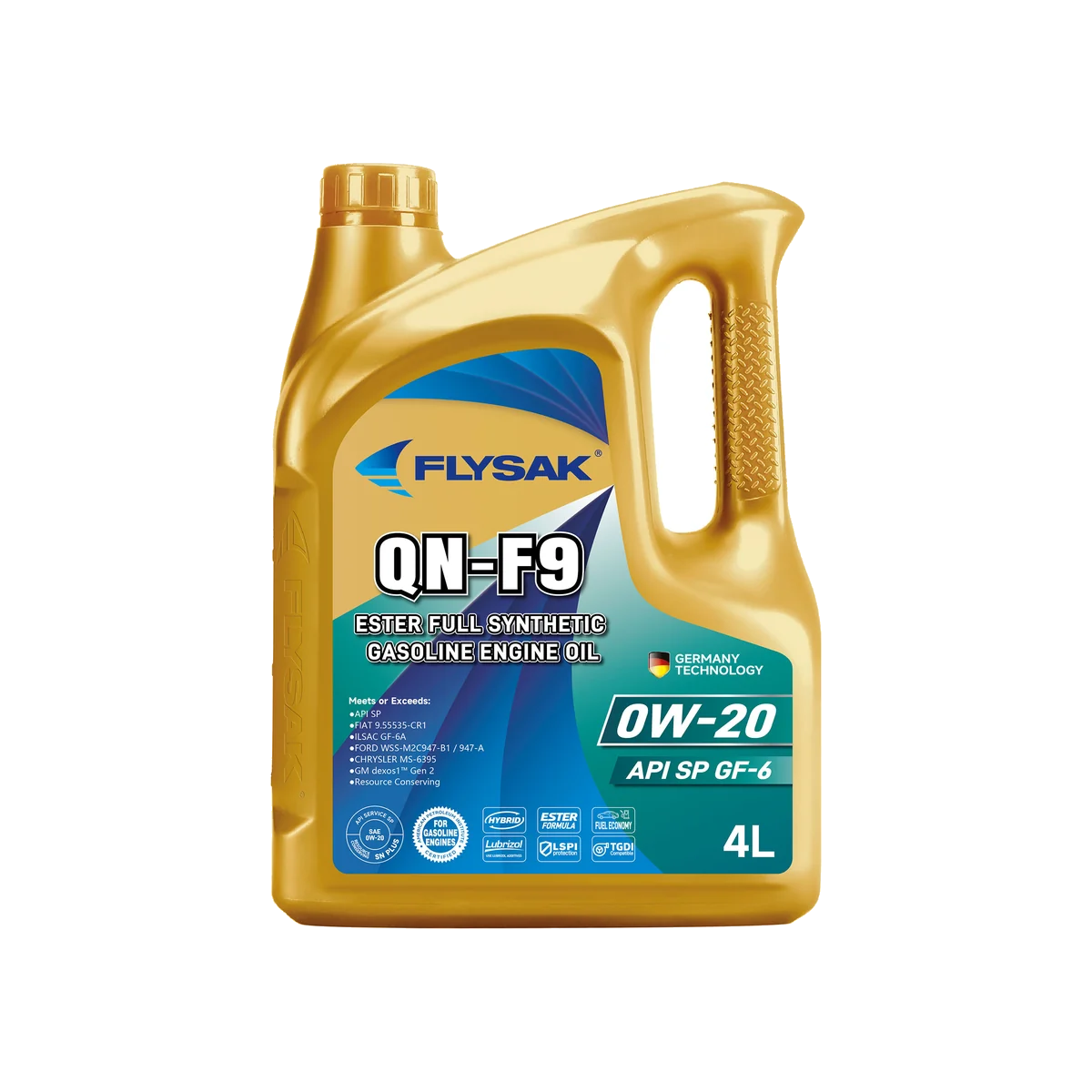
Start with the current passenger-car engine oil catalogue, then decide whether your range also needs ATF, CVT or DCT fluids. Product names and label claims should follow the approved formulation and current supporting documents.
BUYER BRIEF
A custom oil brand becomes easier to compare when every supplier receives the same commercial and technical brief.
State the destination country, importer or distributor role, customer type, vehicle groups and label languages.
List each viscosity, performance level, transmission or coolant application and the evidence required for the final claim.
Define preferred pack sizes, bottle and cap direction, label and carton needs, SKU mix and expected quantities. MOQ is confirmed against this brief.
Specify the TDS, SDS, batch COA, sample, artwork, applicable license evidence and change-control records your team must approve.
LUBRICANT BRAND MANUFACTURER PROCESS
Share the destination market, sales channel, vehicle mix, required specifications, preferred packs and expected order mix.
Compare the current engine-oil catalogue and complementary automotive fluids against the applications your customers buy.
Confirm the proposed products, samples, bottles, caps, labels, cartons and the document set before production release.
Production follows the approved brief, with the applicable batch quality records prepared for the order.
Check the final packing, batch identification and agreed commercial and export documents before shipment.

CLAIMS AND DOCUMENTS
A private label engine oil supplier should connect every market claim to the exact SKU, current document set and approved label—not only to a company certificate.
For API-marked engine oils, use the API engine oil license verification guide before final artwork approval.
PRIVATE LABEL PROGRAMME
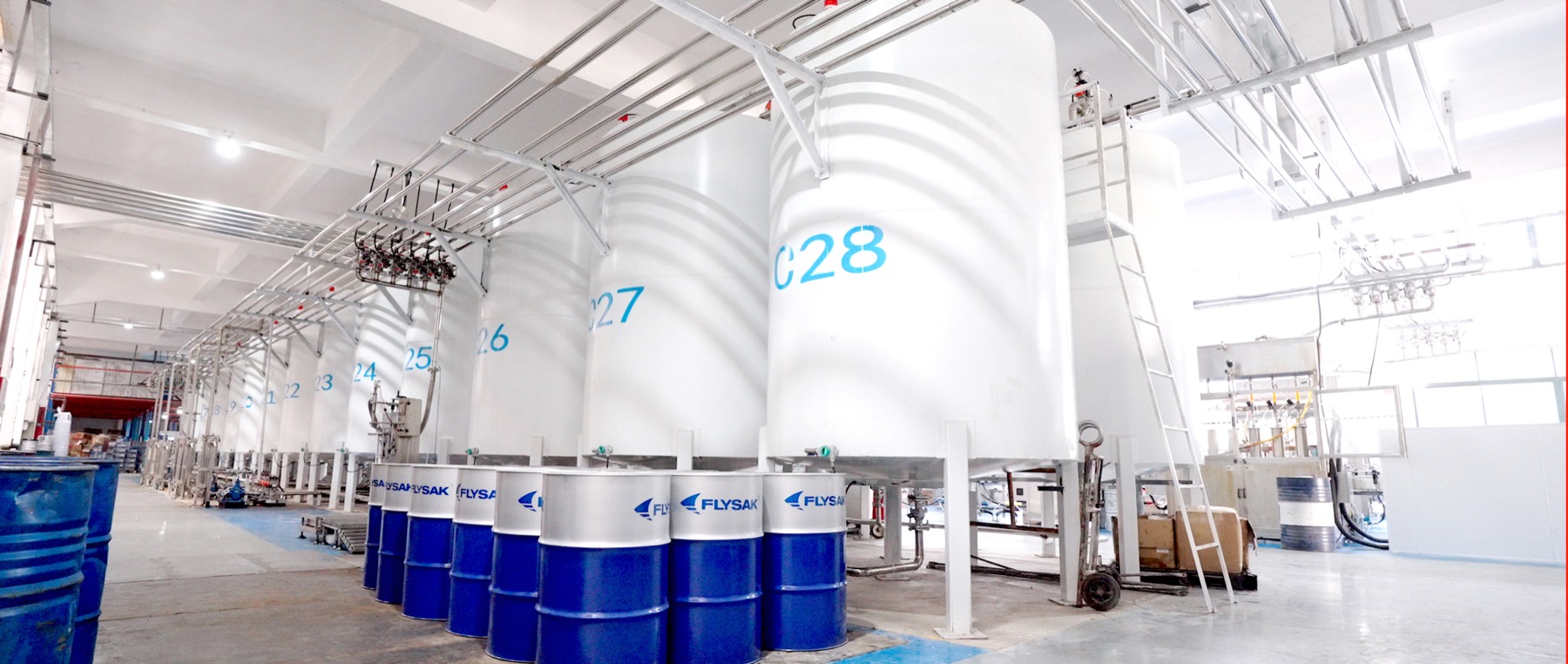
The quotation should make the selected products, packaging, minimums, samples, documents, payment terms and production schedule visible together. This helps procurement teams compare like with like and avoids treating a low MOQ headline as the entire supplier decision.
Review the wider private label lubricant manufacturing programme for complementary automotive fluids and the full OEM/ODM approval path.
BUYER FAQ
Prepare the destination market, customer channel, important vehicle groups, required viscosity and performance levels, preferred pack sizes, label languages and expected order mix. That brief allows a manufacturer to propose a practical product and approval route.
MOQ depends on the confirmed products, packaging and order mix. Share the planned category and SKU quantities first; the applicable minimums and commercial terms should then be stated in the written quotation rather than assumed from a generic low-MOQ claim.
The FLYSAK catalogue includes engine oil plus transmission fluid, gear oil, coolant and brake fluid. Each proposed SKU still needs its own application, packaging, claim and document review before it enters the launch range.
Not automatically. Confirm the legal marketer, licensed brand and exact listed product, viscosity and category before artwork approval. Use the live API EOLCS Directory and current evidence for the proposed programme; a company-level license does not cover every private-label name or product.
Approve the product specification, sample, bottle and cap, front and back labels, carton, claim wording, batch-code plan, current TDS and SDS, applicable license evidence, quotation and order terms. Keep those approvals connected to the exact SKUs being ordered.
REQUEST A BRAND LAUNCH REVIEW
Share the destination market, buyer channel, product categories, required specifications, preferred packaging and expected quantities. The quotation can then state the applicable MOQ, approval steps and commercial terms.
PRIVATE LABEL ENGINE OIL
Send the market, range, pack and quantity plan for review.