
Table of contents
- Decide what the sample is supposed to approve
- Make the bottle and its paperwork tell the same story
- Agree a test plan before paying for laboratory work
- Use separate gates for evidence, liquid and finished packaging
- Keep a reference sample without turning it into a hidden specification
- Bridge the approved sample to the first commercial order
- Send a sample request that a supplier can act on
- Related procurement guides
- Frequently asked questions
- Sources
Decide what the sample is supposed to approve
Start with the buying brief, not with the courier booking. Record the destination market, intended vehicle groups, viscosity grade, performance requirements and brand route. Then ask the supplier to identify the proposed product and explain which of those requirements its evidence supports. A sample marked only 5W-30 leaves too much open when several oils of that grade serve different applications.
Write the sample's purpose into the request. A development blend may support a formulation discussion; a bottle from an identified production batch can support a defined batch comparison; a production-representative filled pack helps approve the commercial presentation. These stages can share a product code, but they are not the same approval. An empty artwork mock-up, for example, cannot demonstrate filled-pack sealing.
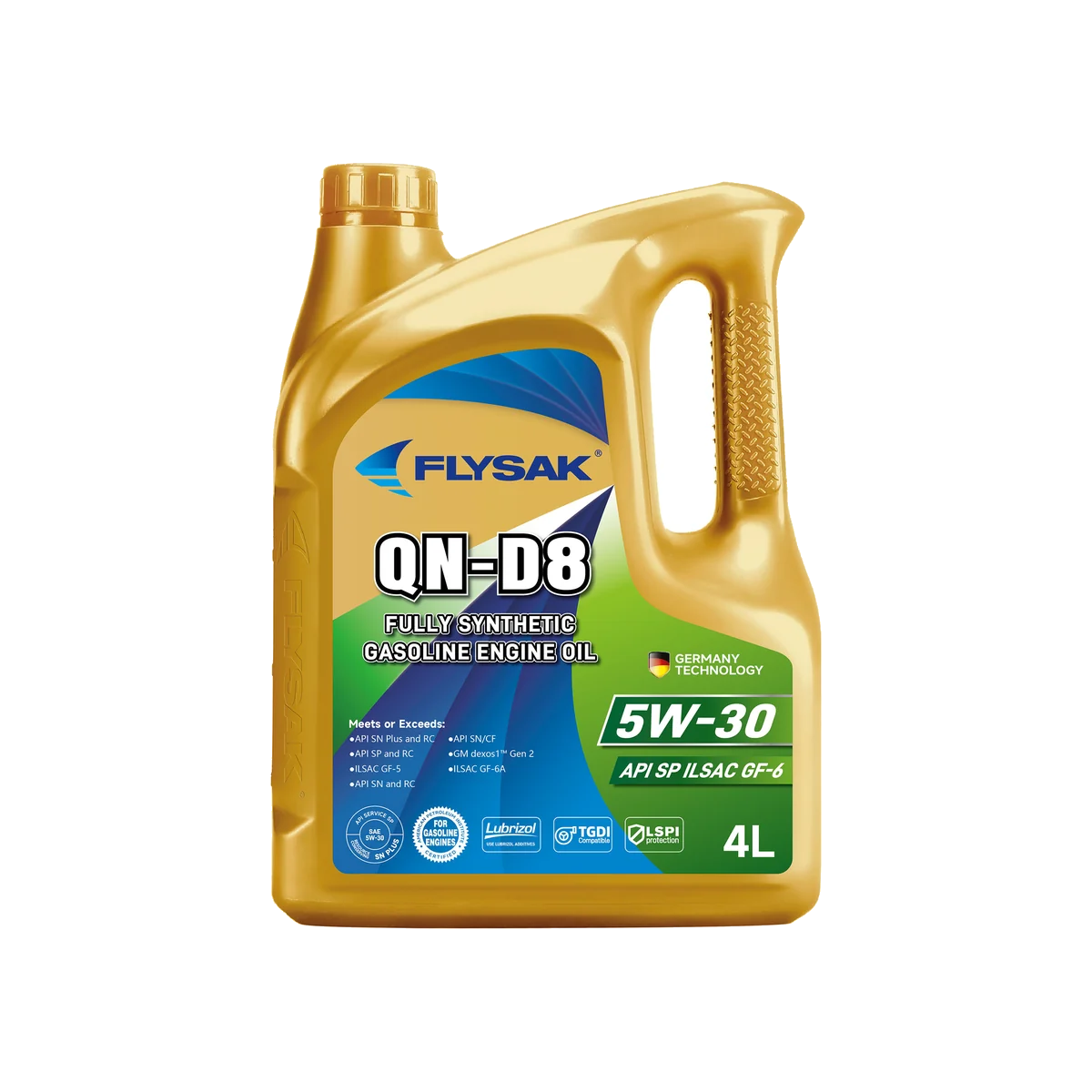
For a FLYSAK enquiry, use the existing product page as the starting reference and request current documents for the exact proposal. Do not infer that a photographed pack, a catalogue designation or this suggested buyer workflow confirms a particular sample service, test package or commercial arrangement.
| Sample or evidence | Useful decision | What remains open |
|---|---|---|
| Development or trial blend | Evaluate the identified proposal against an agreed test scope | Final formulation qualification and commercial-batch identity |
| Controlled reference sample | Record an agreed comparison point with its documents | Ongoing batch release and any later changes |
| Production-representative filled pack | Review closure, label, trace code and carton configuration | Shipment quantity, lot documents and final loading checks |
| First-production batch sample | Review the identified lot against agreed release criteria | Separate shipment and commercial acceptance requirements |
- Review the QN-D8 5W-30 product reference — Use the exact SKU rather than a viscosity-only sample request.
Make the bottle and its paperwork tell the same story
Assign a sample reference before dispatch. A practical record includes supplier identity, internal product or formulation reference, revision, sample type, batch where applicable, collection date, collection point and seal identification. Add the recipient and requested tests. If there is no commercial batch yet, say so instead of giving the trial bottle a misleading production status.
Ask the laboratory which container, quantity and preparation are appropriate for the intended tests. ASTM D4057 covers manual petroleum-product sampling and identifies limitations in how representative a collected portion can be. Its public scope also addresses container choice and handling. The buyer still needs a procedure suited to the product and sampling point; citing the standard is not evidence that any particular bottle was collected correctly.
Keep a short custody record: who collected the sample, who sealed it, who received it and whether the seal or container arrived damaged. Before opening a leaking or unlabelled bottle, resolve the identity and handling risk. For multiple SKUs, use separate records and clear codes. Combining unidentified samples destroys the link between the result and the product being purchased.
Agree a test plan before paying for laboratory work
Choose tests by the question they answer. Identity and consistency checks help compare the proposed material with its controlled specification. Performance claims may require a separate formulation evidence package, licensing route or manufacturer approval. A short bench-test report cannot establish every engine-oil claim, and an engine-oil panel should not be copied into an ATF, CVT-fluid or coolant request without technical review.
For a specified kinematic-viscosity check, ASTM D445 provides the method context. Record the temperature, units, agreed method edition and acceptance range. Ask the laboratory to confirm suitability and explain its reporting and decision rule. Do not invent a tolerance around the TDS typical value. If two laboratories are involved, reconcile their methods and comparison criteria before treating different numbers as a dispute.
Define the deliverable as well: identified sample, test dates, methods, results and any qualified conclusion. Buyers need a clear distinction between a sample result and evidence for the larger production lot. Where a result is questionable, agree who can authorise investigation, resampling or retesting. A second test should explain an uncertainty, not erase an inconvenient first report.
Use separate gates for evidence, liquid and finished packaging
Approval works better as a short decision record than as a long email chain. Name the buyer's responsible reviewer, record the approved product and document revisions, and list unresolved conditions. Commercial staff can coordinate the record, but a technical question should go to a person qualified to assess the claim or result.
API's application guidance requires a licence for use of its engine-oil quality marks and product information including brand, viscosity, category and packaged-product traceability. Keep that permission check separate from accepting the trial liquid. Neither a supplier's licence for another brand nor a satisfactory sample test automatically authorises marks on new private-label artwork.
The proposed gates below are a buyer checklist, not a statement of FLYSAK's internal operating procedure. Agree the actual approval sequence, available evidence and responsibilities with the supplier before treating a stage as complete.
| Gate | Record to approve | Reason to hold |
|---|---|---|
| Product and claim review | Exact product, application, controlled specification and claim basis | Ambiguous SKU or unsupported mark or approval |
| Sample evaluation | Traceable sample, agreed test report and documented disposition | Unknown sample origin or unresolved test discrepancy |
| Filled-pack review | Bottle, closure, label revision, code and carton configuration | Mock-up substituted for a filled pack or illegible trace code |
| First-order release | Approved configuration, identified lots and agreed release documents | Changed material, pack or documents without approval |
- Read the engine-oil COA review guide — Keep sample evaluation distinct from shipment-batch document release.
- Review the private-label project route — Coordinate the confirmed product, documents, packaging and buyer approvals.
Bridge the approved sample to the first commercial order
Before production, attach an approval summary to the order specification. Identify the product revision, agreed tests and limits, pack configuration, artwork revision, trace-code format and required release documents. List any conditions that remain open. Avoid approved as sample when the supplier and buyer have different samples or different understandings of what was approved.
For the first lot, establish how batch and filling records connect to the approved proposal and the shipped packs. Request the agreed release documents for the actual lot rather than reusing the trial report. Packaging checks should include closure, label legibility, code visibility and carton identity; any leakage or transport concerns need an agreed assessment appropriate to the pack, not an improvised universal pass rule.
Include change control in the purchase file. Ask which formulation, material, manufacturing or packaging changes require notification, new evidence or another sample. Set the rule before replenishment, while both parties can still clarify responsibilities. MOQ, sample charges, delivery timing and commercial release authority belong in the written quotation and order, not in assumptions drawn from technical approval.
Send a sample request that a supplier can act on
Send one brief covering target markets, applications, grades, required claims, intended brand, proposed pack sizes and order mix. Add the sample purpose, requested documents, laboratory contact where relevant and the approval decision you need to make. Ask the supplier to confirm what can be supplied, its representative status and the quoted charges and timing.
FLYSAK's current passenger-car catalogue and private-label pages provide the starting route for that discussion. Request confirmation for the exact project rather than assuming that all catalogue products share one sampling, testing or packaging arrangement. A clear sample request gives both sides a usable next step: agree the evidence and approval scope before committing to the first order.
- Send a product and sample review brief — Specify the application, claim route, sample purpose, documents and intended packs.
Frequently asked questions
What should a lubricant sample approval process include?
It should define the sample's purpose and identity, the evidence and tests needed for the decision, acceptance rules, the responsible reviewer and the conditions of approval. Keep product qualification, filled-pack approval and shipment-batch release separate.
Does approving a trial bottle approve the first production batch?
Not automatically. Record what the trial represents, then connect the actual production lot to the approved product and agreed release criteria. The first shipment needs its own identified lots and required documents.
How much sample should an importer request?
Ask the laboratory and supplier to agree the quantity for the selected tests, handling needs and retained samples. There is no single sample volume suitable for every engine oil, transmission fluid, coolant or test programme.
Can sample testing prove an engine oil is API licensed?
No. Testing supports only the questions and methods in the agreed scope. API mark use requires separate current licensing evidence for the relevant product and brand; accepting a sample does not grant that permission.
Should the approved reference sample be the purchase specification?
No. Keep a controlled written specification and acceptance rules. A traceable retained bottle can help comparison or investigation, but storage and opening may affect its condition and it does not replace documented criteria.
When should a buyer ask for another sample?
Use the agreed change-control and escalation rules. A revised formulation, pack or claim, an unrepresentative trial, damaged sample or unresolved laboratory discrepancy may justify new evidence and reapproval; assess the specific issue before repeating tests.
Can an importer approve liquid and packaging together?
Yes, if the sample is genuinely representative of both and the approval record covers each decision. Where the liquid and pack are at different development stages, make the approvals separate and state what remains open.
Sources
Technical and regulatory references reviewed for this article:
- ASTM D4057-22 — Manual Sampling of Petroleum and Petroleum Products — Public scope and significance reviewed for sampling representativeness, container preparation and handling; the full procedure was not reproduced.
- ASTM D445-26 — Kinematic Viscosity — Current public listing reviewed for method scope and the need to define viscosity measurement conditions; no test limits are supplied by this guide.
- API — EOLCS Application and Fees — Reviewed for product information and licensing requirements before use of API engine-oil quality marks.
- API — Engine Oil Licensing and Certification System — Reviewed to distinguish licensed-product performance and market monitoring from a buyer's limited trial-sample evaluation.
- OSHA — Safety Data Sheets, 1910.1200 Appendix D — Reviewed for SDS identity, handling, storage and personal-protection information. This US reference does not establish compliance in other destination markets.