

Table of contents
- Prepare the receiving record before the truck arrives
- Reconcile product lines, packs and quantities
- Read cartons, bottles and batch codes together
- Document damage before changing the evidence
- Separate document review from a performance verdict
- Make holds and partial releases visible
- Close the receipt so repeat orders stay traceable
- Related procurement guides
- Frequently asked questions
- Sources
Prepare the receiving record before the truck arrives
Give the warehouse a controlled order reference, approved SKU list, filled-pack specification and expected shipment breakdown. Include label revision, carton configuration and the agreed batch-document requirements. A supplier's loading photograph can help locate goods, but it cannot replace the final shipment record or tell the receiver which version was approved.
Assign who records delivery condition, who resolves product questions and who authorises saleable stock. Agree how exceptions are reported and which documents close them. If the business uses provisional receipt for accounting, make its meaning explicit: it should not silently become technical approval or permission to distribute every line.
Decide the inspection scope in advance with the appropriate parties. A checklist cannot supply a universal number of cartons to open, sample size or acceptance percentage. Those choices depend on the shipment, packaging, risks and agreed plan. Record the scope actually completed, including any inaccessible stock, instead of marking an entire consignment inspected from one photograph.
Reconcile product lines, packs and quantities
Start with the approved supplier code and full product description. Keep conventional ATF, CVT, DCT and manual-transmission lines distinguishable even if their cartons look alike. A warehouse abbreviation such as transmission oil is too broad when the purchase order covers different applications or performance profiles.
The International Trade Administration's packing-list guidance describes package-level contents, weights and measurements. Use that document principle to reconcile the actual cartons and packs with the order. Its U.S. export context does not define the legal paperwork for a China-origin shipment to your destination; confirm that separately with the responsible parties.
Record shortages, overages and substitutions against the affected line, rather than balancing them into one total. Count the filled packs and stated volume separately from gross shipping weight. A weight difference may justify investigation, but without an agreed measurement basis it does not establish a fill-volume failure. Retain the measurement method and packaging configuration where they matter.
| Check | Record against the order line | If unresolved |
|---|---|---|
| Product identity | Supplier code and complete fluid profile | Hold the affected identity |
| Commercial pack | Filled volume, bottle and label revision | Compare with approved pack |
| Quantity | Cartons, packs per carton and discrepancies | Reconcile without netting SKUs |
| Lot identity | Visible batch codes and document references | Request traceable mapping |
| Condition | Location, damage, seals and photographs | Separate affected stock |
| Disposition | Decision, owner, date and restrictions | Keep release authority clear |
Read cartons, bottles and batch codes together
Compare outer-carton identification with the filled pack under the agreed inspection plan. Look for legible product names, the approved brand and label, declared contents and the agreed coding arrangement. Similar artwork is not sufficient evidence that two different fluid profiles were packed correctly.
Build a lot map when an order line contains more than one batch. Connect each observed code to its quantity or location and the relevant documents. Ask the supplier to explain an unfamiliar code rather than guessing a manufacturing date. Keep any remaining-life requirement tied to the supplier's exact product statement and the delivery point agreed in the order.
FLYSAK's catalogue identifies AT-003 as a DEXRON VI-type ATF reference and AT-014 as an NS-3-type CVT reference, each with pictured 1L packaging. They illustrate why a receiver needs distinct order lines. These catalogue descriptions do not establish GM or Nissan approval, interchangeability, the contents of an actual shipment or its commercial pack availability.
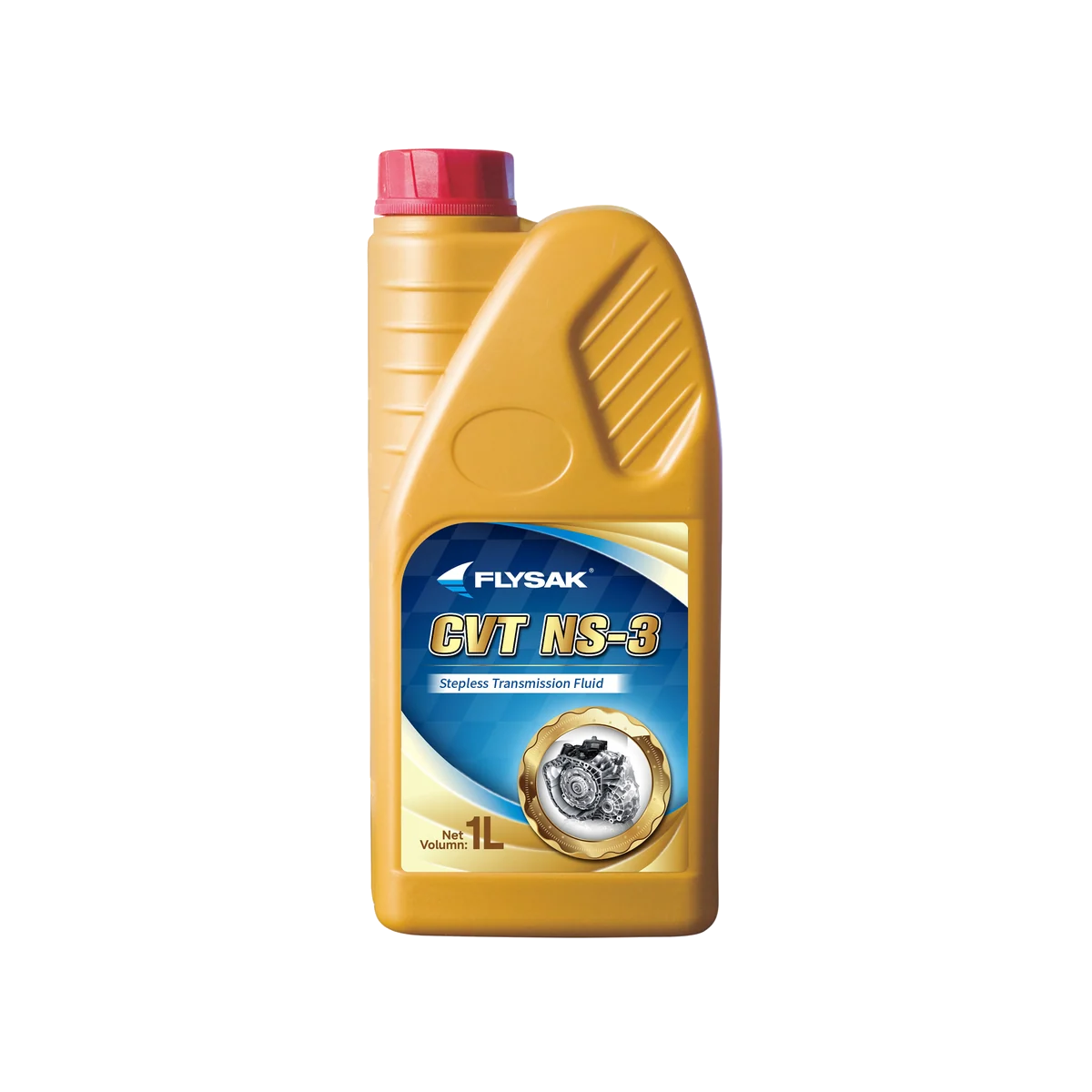
- Review the AT-014 CVT product reference — Use the exact product identity when defining receiving records.
- Keep the separate AT-003 ATF reference visible — Do not merge differently specified fluids into a generic stock line.
Document damage before changing the evidence
Record the shipment reference, affected pallet or carton, visible condition and time of observation. Photograph an overall location as well as close details that show the product and code. Damp packaging, distorted cartons, loose closures or damaged seals need assessment; do not diagnose the cause or blame the formulation from appearance alone.
Separate questionable stock using the warehouse's agreed hold process. Follow the applicable safety arrangements for leakage, and notify the responsible supplier or logistics contact with the evidence required by the agreed process. This guide does not set a contractual claim deadline or determine liability. Preserve those requirements from the actual transaction.
Avoid repacking, relabelling or opening affected goods before the responsible parties agree what information must be retained, except where immediate safety measures are necessary. An improved-looking carton should not erase the original issue or break the link between the observed condition and the product under review.
Separate document review from a performance verdict
Check that the current TDS, SDS and agreed batch release documents identify the offered product and the lots being reviewed. A catalogue sheet describes a product; a batch COA should be assessed against the agreed purchasing specification. A missing document is a document exception, not automatically proof of contaminated or counterfeit oil.
Likewise, an attractive appearance or a plausible viscosity result cannot establish all required transmission performance. ZF maintains application-specific lubricant lists, with TE-ML 11 listed for passenger-car transmissions in its current directory. That is a reminder to retain the relevant application evidence, not a claim that the received FLYSAK products are ZF-approved or covered by that list.
If testing is needed, agree the question, sampling scope, laboratory method, acceptance basis and reviewer before collecting material. ASTM D4057-22's public description addresses manual sampling and the limits of representativeness. Naming a sampling standard does not turn an unidentified bottle into a representative shipment sample or supply a universal finished-product pass limit.
Make holds and partial releases visible
Use a disposition record that identifies the actual stock covered by each decision. A shortage on one SKU, unreadable codes on another and a damaged carton are different exceptions. Do not treat a supplier's general message that the shipment is fine as a documented resolution of every affected lot.
Where the agreed process allows partial release, show exactly which stock is released and what remains held. Preserve links between the decision, evidence and locations so sales or warehouse teams cannot allocate the held goods accidentally. A decision about packaging condition should not be rewritten later as approval of a previously unresolved vehicle application.
| Observation | Question to resolve | Closure evidence to agree |
|---|---|---|
| Wrong or unclear identity | Does it match the approved order? | Exact product and lot mapping |
| Pack or label mismatch | Which approved revision applies? | Documented pack disposition |
| Damage or leakage | What stock and risk are affected? | Condition assessment and action |
| Missing batch document | Does evidence cover these lots? | Matching reviewed document |
| Requested laboratory work | What decision will the sample support? | Traceable sample and agreed review |
Close the receipt so repeat orders stay traceable
Keep the completed count, lot map, condition evidence, document review and release decisions together. Record corrective actions separately from the original observation so the history remains understandable. Feed recurring issues into the next order brief rather than relying on a warehouse team to remember them.
For private label, ask for agreement on the product code, approved artwork, code location, pack configuration and shipment-document mapping before the next production order. A useful supplier discussion starts with a precise unresolved item and the evidence needed to close it. It does not require an importer to claim that routine visual checks certify the fluid.
- Review private-label product and pack planning — Define the finished brand and commercial pack before receiving stock.
- Send a transmission-fluid purchasing brief — Request a current proposal with product, pack and document responsibilities identified.
Frequently asked questions
What should transmission fluid receiving inspection cover?
Reconcile the approved product and pack, quantities, batch codes, packaging condition and agreed documents. Record exceptions and the stock covered by each release decision. Visual receipt checks do not establish all fluid performance or vehicle suitability.
Can a warehouse release all stock after counting the pallets?
A pallet count alone does not reconcile different SKUs, pack configurations or lots. Complete the agreed receiving scope and obtain the responsible release decision, keeping unresolved stock identifiable.
Does matching fluid colour prove that the shipment is correct?
No. Colour is not sufficient product, performance or compatibility evidence. Use approved product identity, lot traceability, the purchasing specification and the relevant documents.
How should multiple batches on one order line be recorded?
Map each observed code to the associated stock and matching documents. Ask the supplier to explain the coding system and resolve gaps rather than treating one COA as evidence for unidentified lots.
Should every arrival receive laboratory testing?
The test scope must follow the agreed risk and acceptance plan. If testing is required, define the decision, representative sampling, methods and acceptance basis first. This checklist sets no universal sampling quantity or test frequency.
What should happen to leaking or incorrectly labelled packs?
Follow the applicable safety arrangements, document the condition and separate affected stock under the agreed hold process. Obtain an appropriate disposition before distribution; do not conceal the exception by repacking or relabelling it.
Does this checklist describe FLYSAK's internal inspection procedure?
No. It is a suggested importer framework. Agree the exact product, finished pack, document scope, receiving responsibilities and exception process for the actual purchasing proposal.
Sources
Technical and regulatory references reviewed for this article:
- International Trade Administration: Packing List — Reviewed package contents, weights and measurements as shipment-reconciliation fields; U.S. guidance is not a destination-specific legal checklist.
- ZF Aftermarket: current lubricant directory — Checked the application-specific list structure and TE-ML 11 directory entry dated October 1, 2026. Not evidence of FLYSAK approval or a universal fluid match.
- ASTM D4057-22 public description — Reviewed active designation, manual-sampling context and representativeness limitations. No paid procedure reproduced or sampling count/pass limit inferred.