

Start with a market brief, not a supplier catalogue
A broad catalogue can look impressive while still leaving an importer with the wrong range. Before requesting a quotation, define the vehicles, transmission types and service channels that create most of the demand in the destination market. A workshop-led market may need many one-litre service packs, while a wholesaler supplying fleets may require different pack sizes and a narrower selection of high-volume fluids.
The first brief does not need to contain every vehicle model. It should identify the main vehicle origins, common transmission generations, expected sales channels, target price position and estimated volume by SKU. This gives the supplier enough information to propose a range without pretending that one universal fluid covers every application.
- Destination country and the main passenger-car brands in service.
- Conventional automatic, CVT, dual-clutch and manual transmission demand.
- Preferred pack sizes, label language and carton configuration.
- Initial order mix and the expected twelve-month volume by product family.
Separate the transmission-fluid families
Transmission fluids perform several jobs at once: they transmit hydraulic pressure, manage friction at clutches or belts, remove heat and protect gears, bearings and control components. The balance is application-specific. That is why an importer should not group every red or amber fluid under one generic ATF description.
Conventional automatic transmission fluid is designed around stepped automatic gearboxes and their clutch-friction requirements. CVT fluid is formulated for continuously variable transmissions, while DCT fluid serves wet dual-clutch systems. Manual transmission fluid has a different operating environment again. Even within one family, viscosity and friction profiles can vary between transmission generations.
The practical purchasing rule is simple: confirm the transmission code or the vehicle manufacturer's required fluid profile before choosing a product. Supplier cross-reference tables can help with screening, but they should never replace the current vehicle service information or a technically reviewed application list.
Match product coverage to the local vehicle population
A useful range is built around real workshop demand rather than the number of products in a spreadsheet. Ask the potential supplier to map proposed fluids against the transmissions that matter in your market. The response should show where a dedicated fluid is needed, where a multi-vehicle profile may be appropriate and where the supplier does not recommend coverage.
A credible answer includes limits. Statements such as suitable for all six-speed transmissions or compatible with every CVT are too broad to support a responsible application decision. A stronger proposal identifies the fluid family, performance references and selection rule, then requires final confirmation against the transmission manufacturer's instruction.
- View the FLYSAK transmission-fluid range — Compare ATF, CVTF, DCTF and MTF product profiles.
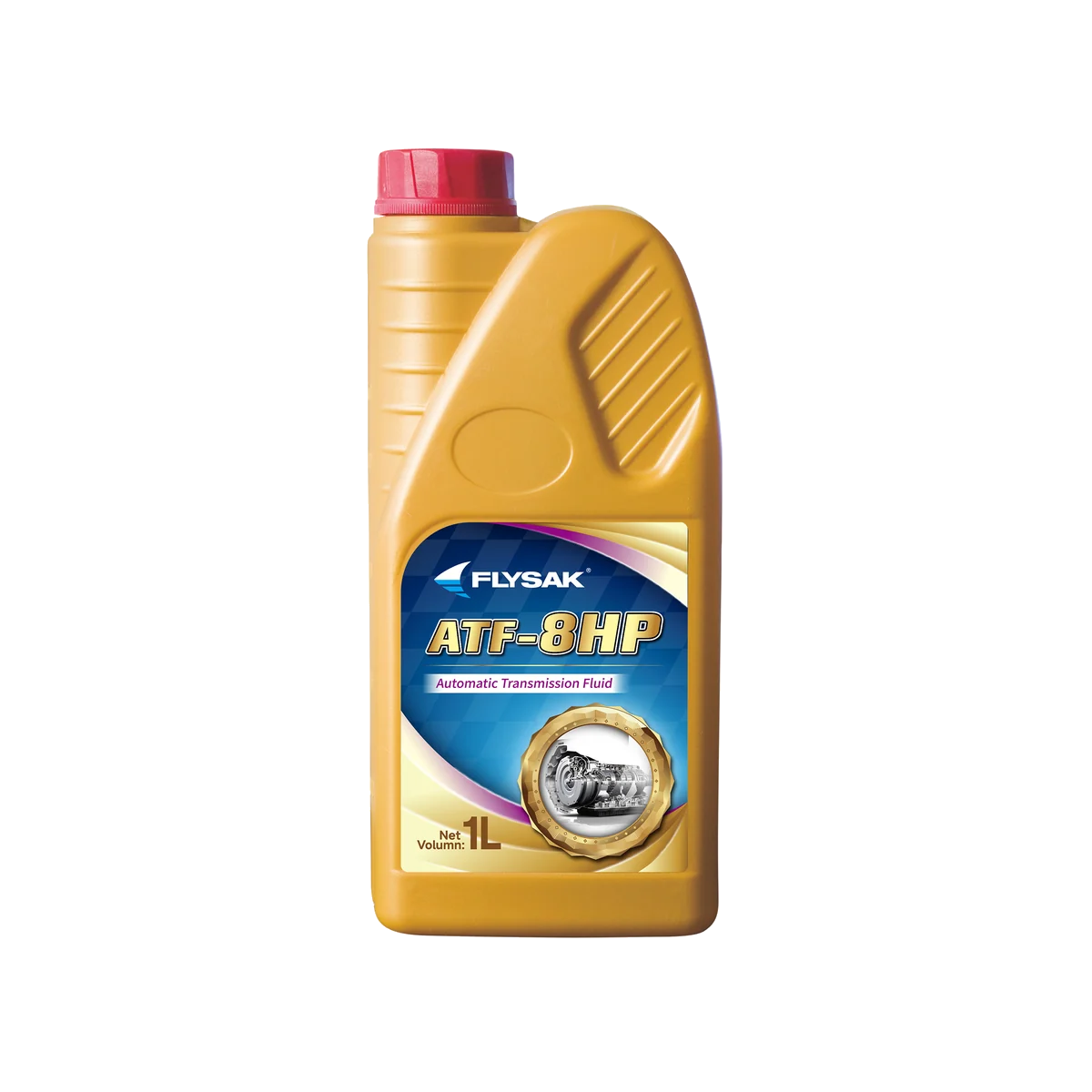
- Review ATF 8HP — See an example of a transmission-specific product page and selection notes.
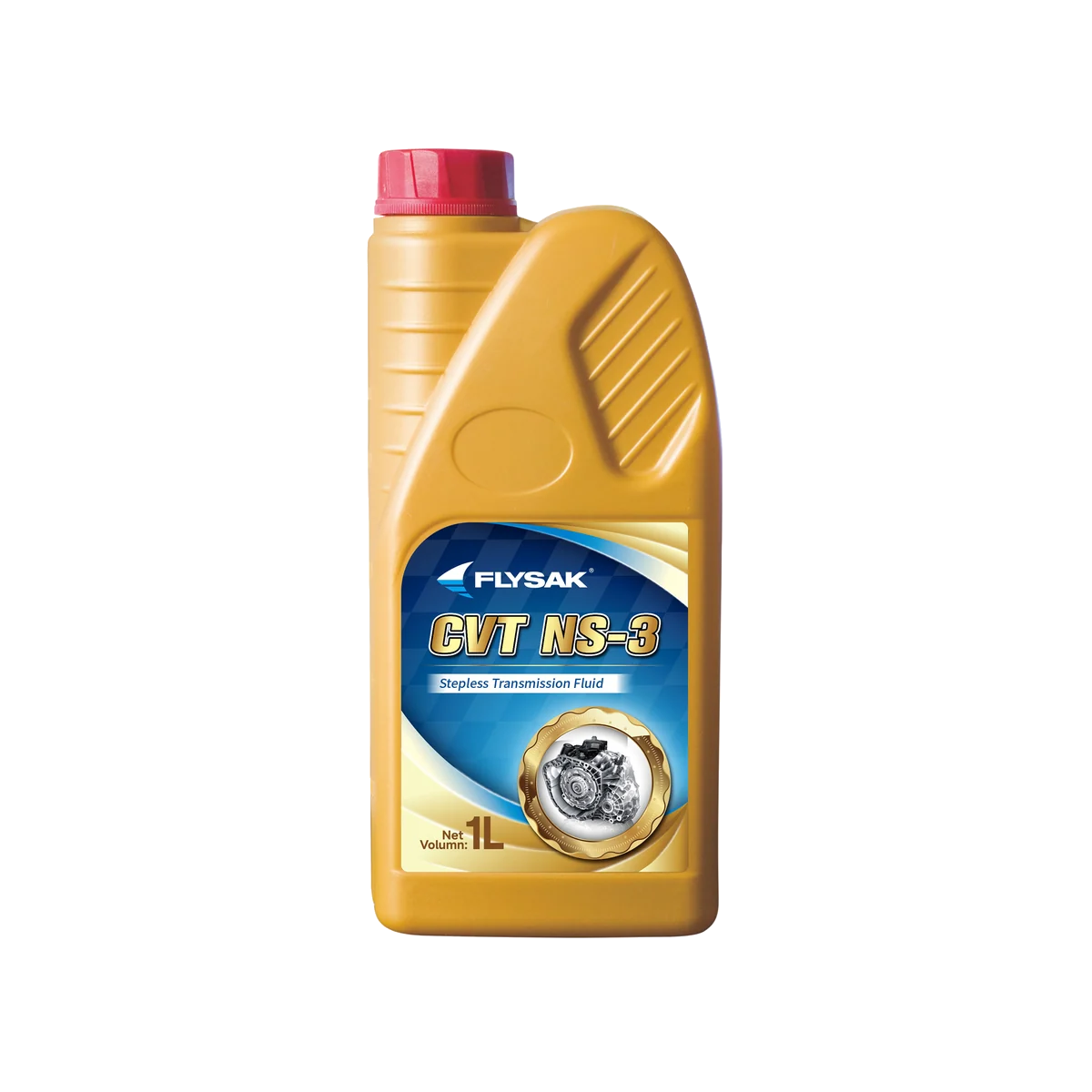
- Review CVT NS-3 — Compare a dedicated CVT-fluid profile with conventional ATF.
Ask for evidence behind every application claim
A label claim is only the beginning of a technical review. For each proposed product, request the current Technical Data Sheet and Safety Data Sheet, together with a clear explanation of whether named specifications are licensed approvals, formally documented performance claims or application references. Those are different levels of evidence and should not be presented as if they mean the same thing.
Typical-property data helps the buyer compare viscosity, low-temperature behaviour and other physical characteristics, but it is not a substitute for the complete performance package. The supplier should also explain how friction performance, oxidation resistance, wear protection, seal compatibility and shear stability are evaluated for the intended fluid family.
Before an order is released, confirm which document will govern the shipped batch. A Certificate of Analysis should report the agreed batch-control values, while the approved product specification defines the broader acceptance requirements. If the product is private label, both sides should approve the final claim wording before labels are printed.
- Current TDS and SDS for each proposed SKU.
- The status and basis of every approval, specification or compatibility statement.
- A sample Certificate of Analysis and the release criteria used for production batches.
- Written confirmation of the approved label claims and product application list.
Use samples to confirm the whole product, not just the fluid
A laboratory sample can support an initial technical review, but importers also need to evaluate the commercial pack. Request representative filled bottles with the proposed closure, induction seal, label material and carton. Check leakage resistance, cap operation, print durability, batch coding and carton strength under realistic handling conditions.
If a workshop or fleet evaluation is planned, agree on the application, service procedure and observation method in advance. Transmission fill level and temperature procedures can affect shift behaviour, so uncontrolled field feedback may say more about the service method than the fluid. Any trial should follow the vehicle or transmission manufacturer's instructions and be documented well enough to investigate a complaint later.
Resolve packaging and export details before artwork approval
Packaging delays often begin after the formula has already been chosen. The importer should therefore settle the commercial pack specification early: bottle size, colour, cap, seal, label substrate, carton quantity, barcode ownership, date coding and pallet requirements. Label language and mandatory statements depend on the destination market and must be reviewed by the importer or its local compliance adviser.
Ask for a physical packaging sample or a production-equivalent mock-up before authorising mass printing. Confirm who owns the artwork files, who approves colour proofs and how obsolete labels will be controlled after a revision. These details protect both parties when the brand grows or a regulatory update requires a packaging change.
- Bottle, cap, liner and tamper-evident seal specification.
- Label dimensions, material, language, barcode and batch-code position.
- Units per carton, carton markings, pallet pattern and container loading plan.
- Artwork approval record and responsibility for destination-market compliance.
Audit batch control and change management
Consistent supply depends on more than one successful sample. Ask how incoming materials are identified, how blending instructions are controlled, which in-process checks are recorded and who can release a finished batch. Traceability should connect raw materials, blend records, filling records, packaging lots and the finished-product batch code.
Change management is equally important. The agreement should define how the supplier will notify the importer before changing a formulation, additive source, packaging component, test method or claim. A technically acceptable change can still create registration, labelling or customer-communication work in the destination country, so advance notice matters.
For a long-term programme, review complaint handling as well. The supplier should be able to retain reference samples, investigate a batch, share relevant test results and document corrective action. This process is more valuable than a promise that complaints never happen.
Compare landed value instead of headline price
The lowest ex-factory price may not create the lowest landed cost. A practical comparison includes product concentration, pack count, carton and pallet efficiency, mixed-SKU flexibility, printing charges, sample costs, documentation, lead time, payment terms and the cost of holding slow-moving inventory.
Importers should also compare the cost of technical uncertainty. An incomplete application table, an unsupported claim or an uncontrolled packaging change can create returns and damage distributor confidence. A slightly higher unit price may be commercially stronger when it comes with a better product map, clearer documents and more reliable batch control.
Request quotations in the same structure so the proposals can be compared line by line. If the order is a mixed container, confirm minimum quantities by bottle, label or formulation—not only the minimum value of the whole shipment.
Send an RFQ that a technical supplier can answer
A good request for quotation should allow the supplier to respond with a product map rather than a generic price list. Include the market, vehicle profile, required fluid families, target claims, pack sizes, annual estimate and planned first order. Attach your current label or product list if you are replacing an existing supplier.
FLYSAK's current transmission-fluid catalogue includes conventional ATF profiles, CVT fluids, dual-clutch fluids and manual transmission fluid. The next step is to match that catalogue to your market and confirm the current technical documents, packaging options and batch requirements for the shortlisted products.
- See FLYSAK private-label options — Choose the route for a new brand or an existing range.
- Send your transmission-fluid RFQ — Share your market, applications, pack sizes and expected order mix.
Frequently asked questions
What should an importer ask an automatic transmission fluid supplier first?
Start with a market and application brief: destination country, important vehicle and transmission types, required fluid families, pack sizes, label language, sales channels and expected volume. This lets the supplier propose a focused range instead of sending a generic catalogue.
Can one automatic transmission fluid cover ATF, CVT and DCT applications?
These fluid families have different operating and friction requirements and should be treated as non-interchangeable unless the vehicle or transmission manufacturer explicitly permits a specific product for the application.
Which documents should be checked before importing transmission fluid?
Review the current Technical Data Sheet, Safety Data Sheet, application or compatibility list, claim-support explanation, agreed product specification, sample Certificate of Analysis and final approved label. Destination-market requirements should be confirmed with a local compliance adviser.
How should private-label ATF samples be evaluated?
Review both the fluid documentation and the finished pack. Check the bottle, cap, seal, label, batch code and carton, then use any vehicle trial only under the correct manufacturer service and fill procedure.
How can importers compare two ATF supplier quotations?
Use the same RFQ structure and compare landed value: fluid coverage, supporting documents, packaging, minimum quantities, mixed-SKU flexibility, lead time, payment terms, container loading, batch control and change-management commitments—not only the price per litre.