

Table of contents
- Decide which lines belong on the same departure
- Build a worksheet that can follow the cargo
- Give the packer actual cargo inputs, not an estimate in litres
- Confirm acceptance for the route and the exact products
- Freeze the dispatch documents against what actually ships
- Write the missing-line decision into the order
- Related guide: prepare the warehouse to receive the load
- Frequently asked questions
- Sources
Decide which lines belong on the same departure
Start with the order you would buy if there were no empty space to fill. Identify the products already allocated to customers, the ones intended for stock and any trial lines that can wait. A distributor may need its established ATF range on time more than it needs a new label variant on the same sailing. Mark each line as must ship, may defer or not yet approved. A container booking should not quietly turn the last group into inventory.
Ask the supplier to confirm the proposed mix in writing. A minimum for a particular finished pack or print run is a separate question from the combined order total. Likewise, an agreement to supply several SKUs does not, by itself, confirm that they will be ready for the same handover. For each line, identify the artwork, document and production decisions that could still delay it. Check whether those decisions can close before the booking cut-off rather than simply sharing the latest estimated date.
This matters even within one catalogue. Conventional ATF, CVT and DCT fluids belong on separate application-confirmed lines. Choose the fluid against the exact vehicle or transmission requirement and supporting product evidence, then handle transport as a different decision. Adding a similar-looking carton to complete the count is not an approved product substitution.
- Review the FLYSAK transmission-fluid catalogue — Shortlist application-specific lines before requesting an exact-product proposal.
Build a worksheet that can follow the cargo
Give each sellable line one stable reference and retain it from quotation to warehouse receipt. If the same fluid will have two brands or label languages, use separate lines even when the liquid specification is unchanged. A warehouse should be able to scan or read the carton and know which line it belongs to without consulting a sales conversation.
Keep the commercial unit and the physical packing unit in separate columns. If one offer quotes per bottle and another per carton, first agree the number of sale units in each carton, then reconcile the extended quantity. A volume declaration identifies contents; it is not packed weight. Do not convert kilograms to litres to make artwork and a quotation agree. If they disagree, ask which net-content declaration and pack are approved before counting the line in the load.
| Worksheet field | Evidence to retain | Decision it supports |
|---|---|---|
| Order-line identity | SKU, application brief, brand and artwork revision | Approve the intended finished product |
| Sellable and shipping units | Declared contents, units per carton and whole-carton count | Match the order and physical count |
| Packing footprint | Outer dimensions, gross carton mass and pallet arrangement if used | Give the packer inputs to check the proposed load |
| Ready-to-ship status | Confirmed line quantity, batch mapping and unresolved items | Hold, defer or release that line |
| Dispatch references | Invoice line, carton or pallet marks and packing-list revision | Trace the actual load to the receipt |
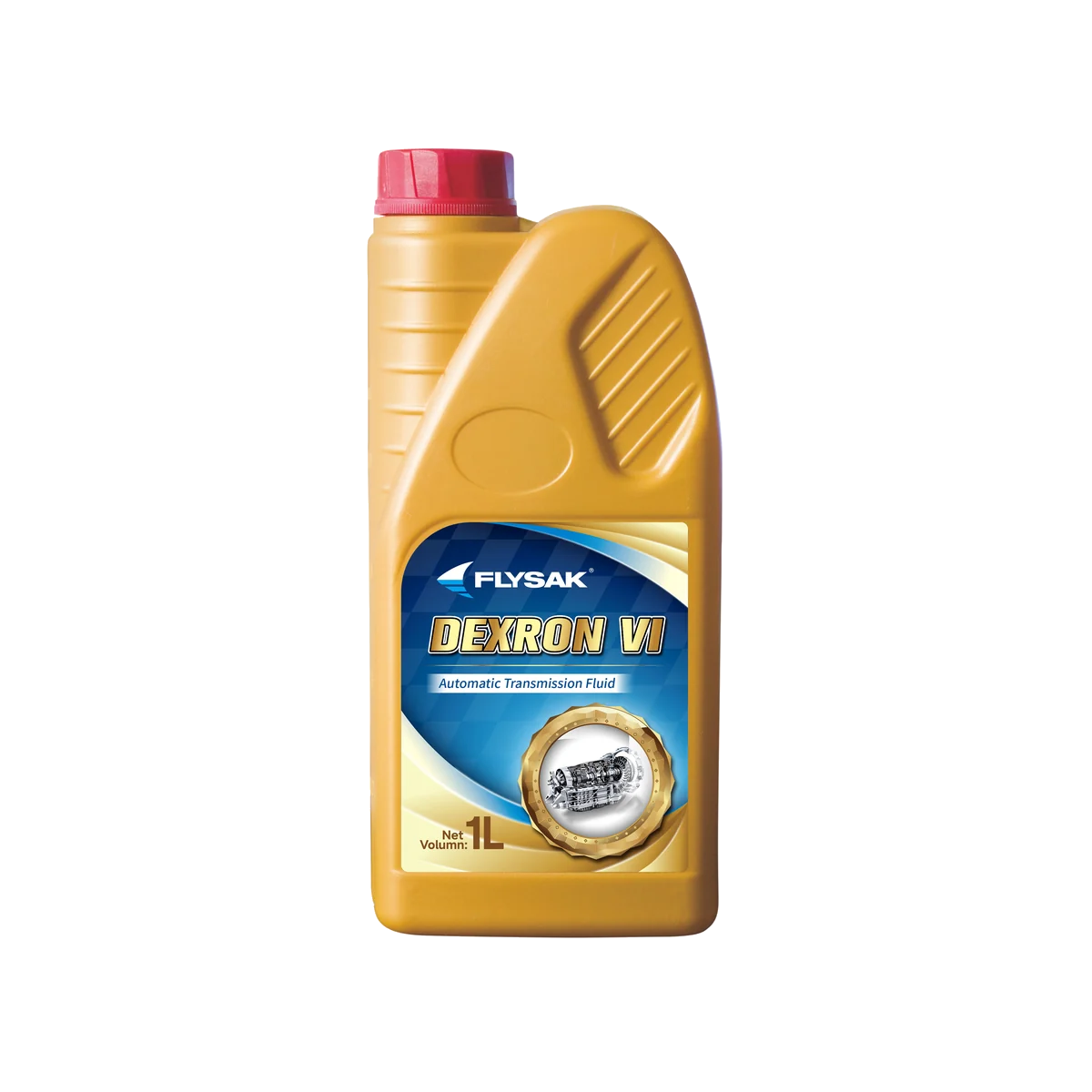
Give the packer actual cargo inputs, not an estimate in litres
Request the finished outer-carton dimensions and gross mass for each approved pack. Identify what is palletised and whether the pallet measurements include the assembled load. Avoid counting cartons as loose volume and then counting the same cartons again in pallet volume. Make estimates clearly visible and ask who will update the worksheet when the actual packing configuration is confirmed.
Available cubic space is only one input. Ask the responsible packer and logistics provider to confirm equipment, route restrictions, cargo acceptance, weight distribution and securing for the actual load. The IMO, ILO and UNECE CTU Code provides non-mandatory guidance for packing cargo transport units. It is not a product classification or a substitute for a plan checked by the people responsible for the shipment.
For a packed container covered by the SOLAS verified gross mass requirement, establish who is the shipper for that purpose and who will provide the verified figure on time. A packing-list total or quotation weight is not automatically the verified gross mass of the container. Keep the figures labelled in the worksheet so they are not copied into the wrong field when deadlines tighten.
Confirm acceptance for the route and the exact products
Ask for current safety data for each proposed product and have the responsible shipping parties confirm its transport status, packaging and any segregation or documentation conditions for the actual modes. A sea leg and an inland leg can involve different checks. The IMO’s IMDG material is relevant to packaged dangerous goods at sea; it does not classify every automotive lubricant as dangerous or exempt. Do not copy a generic declaration from a previous shipment, even if the packs look identical.
In the quotation, name the agreed delivery point precisely and state the Incoterms rule and version if incorporated into the contract. The ICC distinguishes the named destination from the delivery and risk-transfer point under the C rules. Ask separately who arranges consolidation, who confirms cargo readiness and who pays for a rebooking or a second movement if a line slips. The three-letter term alone does not tell the warehouse which cartons to expect.
Freeze the dispatch documents against what actually ships
After packing, reconcile the commercial invoice and export packing list with the approved order and the actual cargo. The U.S. International Trade Administration describes the commercial invoice and packing list as different documents whose information should be consistent. Its examples are useful for designing the check; the importer and broker still need to confirm the documents, language and data required for the specific destination.
The names on a bottle, purchase order and invoice need not be letter-for-letter identical to be traceable, but the relationship must be explicit. For a private-label product, keep the agreed connection between the commercial description, buyer SKU, supplier SKU, artwork revision and batch evidence. Where a carton or pallet holds more than one line, record its contents and marks rather than expecting the receiving team to recover the detail from a container total.
Keep technical and batch documents attached to the exact lines they support. An invoice is not a performance approval, and a certificate of analysis does not tell a broker what was packed. Agree who issues revised shipment documents and who distributes the replacement set to the forwarder, broker and warehouse. Label earlier copies as superseded so nobody checks the receipt against an obsolete packing list.
- Review the private-label project process — Agree who approves finished-pack identity and controls artwork revisions before the order is packed.
Write the missing-line decision into the order
Suppose the ATF in the opening example is confirmed but the engine-oil label is not. If the order supports a joint launch, holding the dispatch may be the right choice. If the ATF replenishes existing customers and the engine oil can wait, a partial dispatch may make sense. Neither outcome is automatic. Check any effect on the booking, approved loading arrangement, documents, cost and remaining stock, and have the buyer accept the resulting plan in writing.
Do not approve a replacement solely because it fills the original space. A different SKU, label, carton or pallet arrangement can change the technical offer and the transport check. Record the proposed change by line, what evidence must be refreshed and who can approve it. Give the warehouse the actual quantities and marks plus a separate record of what remains open, so it does not book a deferred line as received or mistake it for transit loss.
For the RFQ, send your destination and route, product/application list, approved or proposed artwork, desired quantities by selling unit, essential lines, and the circumstances under which you would accept a split. Ask for confirmed carton data, named handover point, document responsibilities and a clear list of items still subject to review. This makes a supplier's reply useful even when a final loading count or dispatch date cannot yet be confirmed.
Frequently asked questions
Can engine oil and ATF ship in the same container?
Treat it as a proposal. Confirm each product and pack, the commercial mix, applicable transport classification and route requirements, and acceptance by the responsible packing and carriage parties. A catalogue listing does not confirm a mixed booking.
How many cartons of lubricant fit in a container?
There is no count to apply across products. The packer needs the approved carton dimensions and gross weights, pallet configuration where used, actual equipment, route limits and securing plan.
Is the total on a packing list the container’s verified gross mass?
Not automatically. A packing list describes the cargo. Where SOLAS requires verified gross mass, the shipper must obtain and communicate the verified mass of the packed container under the applicable arrangements.
Does a combined order eliminate the minimum for a private-label pack?
Do not assume so. Ask the supplier to state the minimum at each applicable level, including the finished pack or artwork and the overall order, for the exact proposal.
Can a packing list replace a commercial invoice?
No. They serve different purposes and should reconcile against the goods actually shipped. Ask your broker to confirm the applicable destination requirements and the correct document set.
What should we do if one SKU is not ready by the cut-off?
Use the agreed hold or partial-dispatch rule. Get written approval for revised quantities and any cost or timing impact, then confirm the revised packing arrangement and replace affected documents before shipment.
Sources
Technical and regulatory references reviewed for this article:
- IMO, ILO and UNECE: CTU Code overview — Checked the non-mandatory packing and securing guidance and its intermodal scope.
- IMO: Verification of the gross mass of a packed container — Checked the applicable SOLAS context and the shipper’s responsibility for verified gross mass.
- IMO: International Maritime Dangerous Goods Code — Checked the maritime packaged dangerous-goods scope, not the classification or acceptance of any FLYSAK product.
- International Trade Administration: Common Export Documents — Checked the distinct functions and reconciliation of invoice and packing list; the U.S. guidance does not set all destination requirements.
- ICC: Incoterms 2020 questions and answers — Checked the named place and edition, and the distinction between destination and delivery under C rules.